AI Consulting for Mid-Market Companies

AI Consulting Services That Take Your Pilot to Production

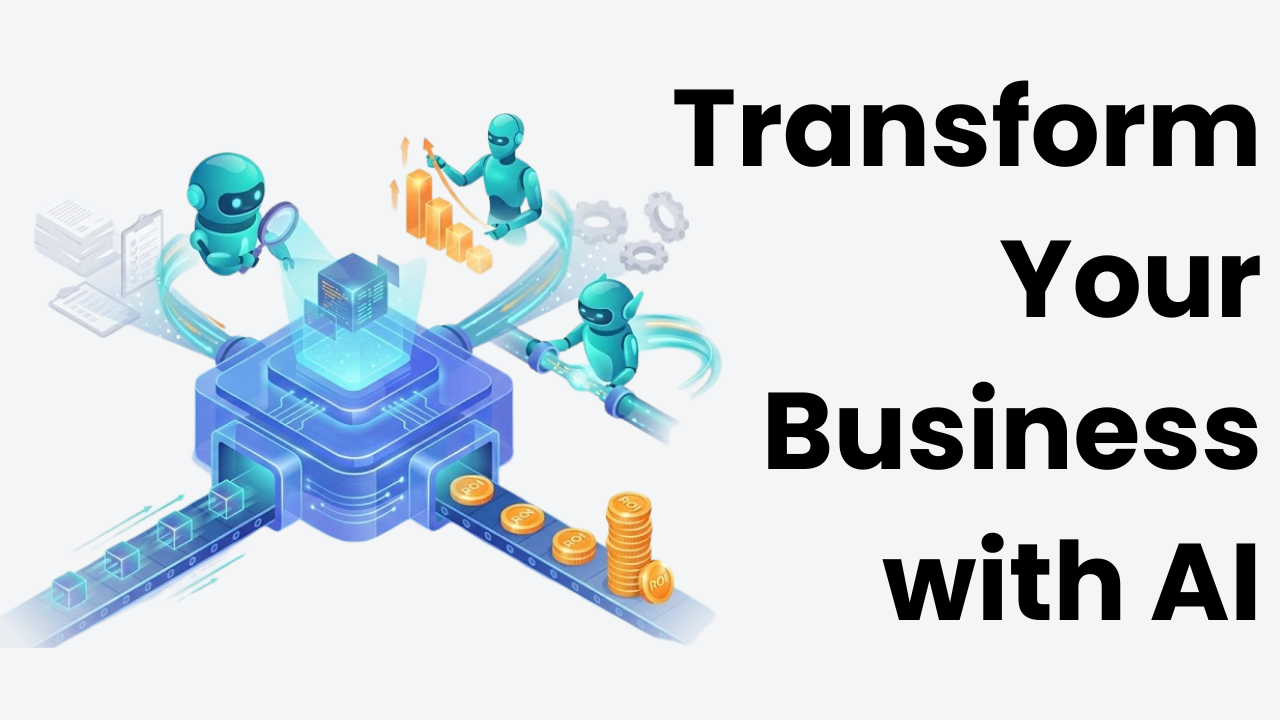
Most AI projects work in a demo, then stall before real users touch them. We're the senior team that gets mid-market companies from prototype to production — without enterprise price tags or a six-month discovery phase.
  • A working AI system in production — not another slide deck
  • Senior engineers who’ve shipped this before — no juniors, no middlemen
  • Fixed scope and a clear timeline, sized to a mid-market budget
AI Consulting Video

Trusted by Industry Leaders Worldwide
Where most AI projects quietly break down

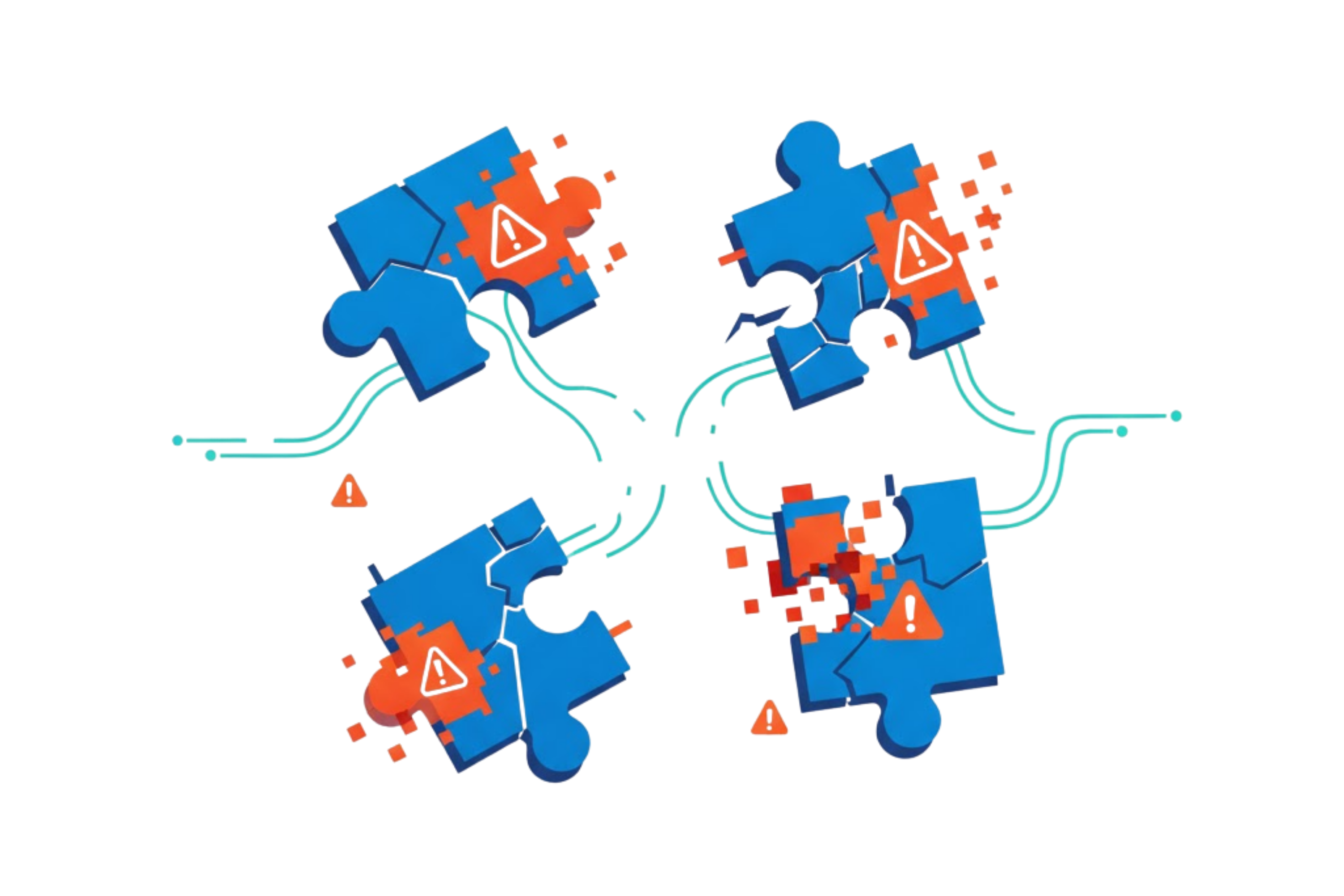
Your AI Prototype Works, But It Can't Scale

It ran perfectly against 50 test records in a notebook. At production volume — real concurrency, real edge cases, real data — the same architecture buckles, and nobody on the internal team owns "make this hold up in production."

Heavy-Payload Queries and Latency Bottlenecks

Semantic search across a large catalog or document set gets slow fast when the vector database and retrieval pipeline weren't tuned for scale. Users wait, timeouts pile up, and a "smart" system starts to feel slower than a plain keyword search.

Fragile Prompt Engineering vs. Robust Context Engineering

A single clever prompt works until the input shape changes. Without real context engineering — structured knowledge files, a defined taxonomy, versioned compilation pipelines — every edge case turns into a new prompt patch, and reliability erodes with each one.

Complex Integration with Legacy Backend Systems

The model works fine in isolation. Getting it to write back to your ERP, respect your SQL Server schema, and process transactions idempotently — so a retry doesn't double-book an order — is where most integrations actually stall.

Inadequate Sub-Agent Orchestration

One agent handling everything is fine for a demo. In production, tasks need to be split across specialized sub-agents with clear handoffs and failure boundaries — without that design, you get tangled logic nobody can debug or safely extend.

Vendors Sell Transformation, You Need Architecture Validation

You don't need another workshop or a "digital transformation" deck. You need someone who's already built systems like this to review your architecture and tell you, specifically, what breaks at scale and how to fix it.

💡 The problem is rarely the AI. It's how the project was scoped, built, and handed over. That's what we fix.

What our AI consulting services actually deliver

Four ways we help. Pick the one that matches where you are today — each links to the full detail below.

🎯

From idea to a shortlist of use cases

AI strategy consulting. We audit your data and workflows and hand you the 2–3 use cases with the fastest ROI — a build plan, not a strategy deck.

See how this works →
🤖

From prototype to production

Generative AI consulting services. Production-grade GenAI and LLM systems: retrieval that scales, context engineering, MCP integration, and sub-agent design that holds up outside a demo.

See how this works →
🧠

From data to prediction

Machine learning consulting. Forecasting, churn prediction, look-alike modeling, and anomaly detection — built on your data and wired into the tools your team already uses.

See how this works →
⚙️

From manual to automated

AI integration consulting. Document processing, workflow automation, and copilots that connect to your ERP, CRM, and data warehouse — and get used.

See how this works →
Not sure which one you need? Book a working session
100+ Enterprise Clients
$52M Business Value Generated
98% Client Satisfaction Rate
15+ Years AI Expertise

How We Get Started

From first call to working AI — in under 8 weeks

Most engagements stall because nobody knows what saying yes actually looks like. Here's exactly what happens when you work with us.

Step 1 / Week 1–2

Architecture Review or Use-Case Mapping

Already have a prototype? A senior engineer runs a hands-on architecture review and hands you a specific fix list. Starting fresh? We map your workflows to the 2–3 highest-ROI use cases — a build plan, not a strategy deck.

Step 2 / Week 3–6

Build and Test a Working Pilot

We develop a working solution against your real data, test it in your environment, and validate it with your team before a single integration happens.

Step 3 / Week 7–8+

Deploy, Upskill & Scale

We integrate into your systems and run a hands-on upskilling programme so your engineers own and extend the system after we leave — not just watch us build it.

No six-month roadmap. No discovery tax. Just a working solution, fast.

Get 2–3 AI Use Cases for Your Business

The senior team behind your project — and the values that drive us

The people who scope your AI project are the people who build it. Here’s who you work with, and the principles they hold themselves to.

Chaitanya Sagar, Founder & CEO of Perceptive Analytics

Chaitanya Sagar

Founder & CEO

Founded Perceptive Analytics in 2013, after roles at Infosys and Citibank. He has advised Fortune 500 companies and 350+ international clients, and his leadership earned the firm a place in Analytics India Magazine’s top 10 data analytics companies to watch. MBA (PGP) from the Indian School of Business. Teaches internationally on business analytics, data visualization, and dashboarding.

Connect on LinkedIn

Gokul, Project Manager at Perceptive Analytics

Gokul

Project Manager

Runs your engagement day to day — keeps scope tight, milestones clear, and your team in the loop from first call through production. The single point of contact who makes sure what we promised actually ships.

Connect on LinkedIn

What every consultant here holds themselves to

Relentless Client Focus

We measure success by client outcomes, not deliverables.

Exceeding Expectations

Our aim is always to deliver more value than asked.

Domain Depth

Every consultant combines technical skill with industry context.

Relationship-Driven

We invest in long-term partnerships built on trust.

Agile Execution

Rapid iteration cycles that deliver value in weeks, not months.

Innovation First

Continuously pushing the boundaries of what data can do.

AI work that reached production

A few examples of systems real teams now depend on — not demos.

Automated document extraction
Days → minutes
Document review time

Automated document extraction for a $300M firm

We pulled data from a reputation platform straight into a live warehouse, replacing manual review with an automated pipeline — so brand risks surfaced in minutes, before they escalated.

Stack: Python, LLM extraction, cloud warehouse  ·  Live in ~6 weeks
Payer coverage analytics for biotech
+61%
Covered lives, in 6 months

Payer-coverage analytics for a biotech firm

A payer-analytics model showed the team which payers to prioritise — expanding the covered-lives base by 61% in six months.

Financial report summarizer
8 hrs → 1 click
Monthly report prep

One-click financial report summarizer

An LLM summarizer replaced a full day of manual compilation each month with an automated, review-ready output the finance team trusts.

Check what our clients say

×

Industries We Serve

Specialized ai consulting firms expertise across verticals with unique regulatory, operational, and competitive dynamics

💊

Life Sciences

Commercial analytics, patient-journey models, payer coverage, and document automation for pharma and biotech — built for the data realities of a regulated industry.

🛡️

Insurance

Underwriting intelligence, claims automation, submission triage, and fraud detection for P&C and specialty carriers — AI that plugs into your core systems, not around them.

We also work across

📊Financial Services
💻Technology & SaaS
📣Marketing Analytics
🏗️Engineering & Construction
⚕️Healthcare
🏭Manufacturing
🛒Retail & E-commerce

Ready to get your pilot into production?

Book a free 30-minute working session with a senior AI consultant — no pitch.

Book a working session

Book your 30-minute working session

You’ll talk to a senior AI consultant — not a salesperson. Bring your use case or your stalled pilot; you’ll leave with a clear next step.

Before you book — the questions we’re asked most

Straight answers to what actually matters before a first call.

Can we start if we already have a working prototype?

Yes — that’s some of our best work. We skip the discovery workshop and start with an architecture review: what’s production-ready, what needs re-architecting, and what will break at scale. You get a specific fix list, not a fresh strategy deck.

How fast will we see something real?

Most engagements go from first call to a working pilot against your real data in 3–6 weeks, and to production in under 8. No six-month roadmap before anything ships.

Who actually does the work — and will our team own it after?

Senior engineers do the build; there are no juniors hidden behind a sales pitch. Every engagement ends with documentation, training, and a clean handoff, so your team can run and extend the system without us.

What will it cost?

Every engagement is fixed-scope and priced up front, sized to a mid-market budget — no open-ended discovery tax before you know the number. The 30-minute working session is enough for us to estimate scope for your use case.

AI STRATEGY CONSULTING

From idea to a shortlist of use cases

If you know AI should help but aren’t sure where to start, this is the entry point. We map your workflows and data, then hand you the 2–3 use cases with the fastest, most defensible ROI — a decision-ready plan, not a 40-slide deck you have to translate yourself.

Best for: teams early in their AI journey, or leaders prioritising a backlog before committing budget.

What we deliver
  • A ranked shortlist of 2–3 high-ROI AI use cases
  • An effort & impact estimate for each
  • A data-readiness assessment
  • A phased build roadmap you can act on
What we deliver
  • Retrieval tuned to stay fast at production scale
  • Context engineering: knowledge files, taxonomy, versioned pipelines
  • An evaluation harness, drift monitoring, and prompt/model versioning
  • MCP integration and sub-agent design for heavy-payload work
GENERATIVE AI CONSULTING SERVICES

From prototype to production

This is where most AI projects stall — and where we do our best work. We take a working GenAI or LLM prototype and make it production-grade, so it holds up under real users, real volume, and real edge cases. If you already have a prototype, we start with a senior engineer running an architecture review — not a discovery workshop.

Best for: teams with a promising prototype that isn’t reliable enough to ship.

Send us your architecture — we’ll review it
MACHINE LEARNING CONSULTING

From data to prediction

When the answer is a model rather than a chatbot, we build the whole pipeline — not a notebook — and wire it into the tools your team already uses, so predictions show up where decisions actually happen.

Best for: teams with data and a clear prediction problem.

What we deliver
  • Forecasting, churn, pricing & anomaly-detection models
  • Look-alike modeling for targeting & growth
  • MLOps: monitoring, retraining & alerting
  • Integration into your BI and operational tools
What we deliver
  • Document processing & workflow automation
  • Copilots wired into your ERP, CRM & data warehouse
  • Idempotent write-backs & async task queues
  • Team training so the automation actually gets used
AI INTEGRATION CONSULTING

From manual to automated

A model that can’t touch your real systems isn’t in production. We handle the last mile — the integration work most prototypes never had to do — and make sure your team adopts it.

Best for: teams automating a manual, high-volume process.

Tell us which one fits — book a working session

How Our AI Engagement Works

Deploying production-grade artificial intelligence requires far more than spinning up a cloud server and calling an API. Most enterprises fail at AI because they treat it as an IT experiment rather than a rigorous software engineering discipline. To guarantee your models scale securely and deliver measurable ROI, Perceptive Analytics utilizes a strict 6-phase implementation methodology.

Phase 1: Weeks 1–2

Architecture & Production-Readiness Audit

We audit your existing prototype's architecture — data flow, model integration points, and where it's likely to break under real load — and score the gap between prototype and production against your specific tech stack.

Deliverable: Production-Readiness Gap Assessment

Who is involved: Lead AI Architect, Client IT Director/CTO.

Phase 2: Weeks 2–3

Data Readiness & Infrastructure Audit

We assess your data warehouses, vector databases, and SQL Server or ERP backends for the throughput and latency characteristics production traffic will actually demand.

Deliverable: Cloud Architecture Document

Technologies: Snowflake, Databricks, MS Fabric, AWS S3, Qdrant.

Phase 3: Weeks 4–6

Data Engineering & Context Engineering

We build automated pipelines to unify data, tune vector databases for semantic search at scale, and establish the knowledge file taxonomy and context engineering structure — CLAUDE.md, compilation pipelines — your agents will run on.

Deliverable: Unified Data Pipelines & Context Engineering Framework

Technologies: Azure Data Factory, Pinecone, Milvus, Qdrant, dbt.

Phase 4: Weeks 6–8

Sandboxed Pilot Build & Validation

We construct a secure, isolated build — often multi-agent, using sub-agent design for heavy-payload queries — within your private cloud to validate architecture and logic without exposing production data.

Deliverable: Functional Multi-Agent Prototype/MVP

Technologies: LangChain, LlamaIndex, Anthropic Agent SDK, Python.

Phase 5: Weeks 9–12

Production Deployment & MCP Integration

We engineer the "last mile": MCP integration architecture, idempotent transaction handling for ERP and CRM write-backs, and async task queues so AI-triggered actions behave safely under retries and concurrent load.

Deliverable: Live API, MCP Integration & Integrated Workflows

Technologies: Azure OpenAI, AWS Bedrock, GCP Vertex AI, MCP.

Phase 6: Ongoing

MLOps, Monitoring & Handoff

We establish MLOps infrastructure for automated retraining and performance alerts, and hand over a documented context engineering framework — CLAUDE.md, knowledge file taxonomy, compilation pipeline — so your internal team can maintain and extend it without us.

Deliverable: CI/CD Pipelines, Context Engineering Docs & Handover

Technologies: MLflow, Kubernetes, Azure ML.

Vertical-Specific AI Applications

Financial Services & Fintech

We engineer predictive ML pipelines for Look-Alike Modeling and churn prediction. For risk management, we deploy RAG applications for instant policy querying, strictly governed by GLBA and SOC 2 compliance.

Healthcare & Life Sciences

Predictive models for discharge rates and bed optimization. We bridge HIPAA compliance with advanced LLMs using zero-data-retention policies on AWS HealthLake or Azure API for FHIR.

Logistics & Supply Chain

Replacing legacy heuristic systems with machine-learning-driven optimization models. We ingest real-time weather and traffic data to continuously optimize transit routes near Hartsfield-Jackson hubs.

Manufacturing & Operations

Applying anomaly detection algorithms to IoT sensor data for predictive maintenance. Our models identify micro-degradations weeks before failure, extending the lifecycle of heavy capital expenditures.

Production Hardening Checklist

Gartner predicts over 40% of enterprise agentic AI projects will be canceled by 2027 due to unsustainable costs, unclear ROI, and inadequate risk controls. Most of that risk traces back to a handful of architecture decisions made — or skipped — before launch.

Multi-Agent Orchestration vs. Single-Agent Design

Use single-agent: For a well-scoped, single-domain task with a bounded context window.

Use sub-agent orchestration: When queries span heavy payloads, multiple data sources, or distinct tool-calling responsibilities — splitting the work reduces latency and makes failures isolatable instead of catastrophic.

Idempotency in LLM-Triggered Actions

Any AI action that writes to an ERP, CRM, or database needs an idempotency key and a retry-safe design — otherwise a network timeout or an agent retry silently double-books an order, double-charges a customer, or duplicates a record.

Latency Optimization for Production RAG Pipelines

Caching frequent queries, hybrid (keyword + semantic) search instead of pure vector search, and batching embedding calls are what keep a RAG pipeline sub-second at production scale instead of timing out under real concurrent load.

How to Choose the Best AI Consulting Firm for a Mid-Market Company

Comparing AI consulting firms? Look past the sales demo. For a mid-market company, the best AI consulting firm is the one that puts senior people on the work, ships to production instead of demos, sizes the scope to your budget, and hands your team a system they can run — here’s how to tell them apart.

What to Avoid

  • • Basic API wrappers around OpenAI
  • • Teams lacking backend integration expertise
  • • Fragile, single-prompt architectures

What to Look For

  • • Mastery of MCP Integration architecture
  • • Focus on latency optimization & idempotency
  • • Advanced sub-agent design & context engineering

Consultant Insights & FAQs

1. What is AI consulting, and how can it benefit my business?
AI consulting is the process of partnering with expert AI consultants to assess, design, and implement artificial intelligence solutions tailored to your organization's specific goals. Rather than applying generic technology, a qualified AI consulting firm works to understand your data environment, operational bottlenecks, and competitive pressures before recommending any solution. The benefits for mid-market and enterprise businesses are concrete and measurable: faster decision-making powered by real-time insights, significant reduction in manual and repetitive workloads through intelligent automation, improved customer experiences through personalized AI-driven interactions, and the ability to surface patterns in large datasets that human analysis would miss entirely.

At Perceptive Analytics, our AI consulting services go beyond proof-of-concept work. We focus on production-ready deployments that integrate cleanly with your existing data infrastructure — ERP, CRM, cloud platforms, and data warehouses. For teams that have already built an internal AI prototype, our AI consultation process is often about hardening what exists — latency optimization, idempotent transaction handling, and MCP integration architecture — rather than starting from a blank page. Whether you're looking to automate document processing, build predictive models, or take a working prototype into production, the right AI consultation process ensures every initiative is scoped correctly and delivers measurable ROI from day one.
2. What types of AI consulting services does Perceptive Analytics provide?
Perceptive Analytics offers a comprehensive range of artificial intelligence consulting services designed to address the full lifecycle of AI adoption — from strategy through deployment and ongoing optimization. Our core service areas include:

Generative AI implementation using large language models (LLMs) for document intelligence, summarization, and automated content workflows; MCP integration architecture and Claude context engineering (CLAUDE.md, knowledge file taxonomy, compilation pipelines) for teams standardizing on Anthropic models; sub-agent design for heavy-payload and high-throughput queries; machine learning model development for predictive analytics, demand forecasting, and anomaly detection; conversational AI and enterprise chatbot development for customer service and internal knowledge management; AI-powered data analytics that augment existing BI environments with intelligent automation; AI audits and responsible AI frameworks that assess existing deployments for bias, performance, and governance gaps; and AI strategy consulting to build multi-year roadmaps aligned with business priorities.

For mid-market organizations, we right-size every engagement — ensuring that the scope, timeline, and investment level match your team's capacity and data maturity. Our AI consultants bring deep technical expertise across Python, cloud AI services (Azure OpenAI, AWS Bedrock, Google Vertex AI), and enterprise integration patterns, ensuring solutions that are production-grade from the start.
3. How does the AI consultation process work at Perceptive Analytics?
Our AI consultation process is structured to minimize risk and maximize alignment from the very first conversation. It begins with a free 30-minute strategy session where our AI consultants learn about your business objectives, current data landscape, and the specific problems you're trying to solve. From there, we move into a formal discovery and scoping phase — assessing your data readiness, technology environment, and internal team capabilities.

We then develop a prioritized list of use cases with estimated impact and feasibility, so you can make informed investment decisions before any development work begins. Once a direction is agreed upon, we build working prototypes and demos in a secure sandbox environment, giving your stakeholders visibility into what the finished solution will look like before full-scale deployment. Implementation follows an iterative delivery model with clear milestones and regular stakeholder checkpoints. This structured AI consultation approach is especially valuable for organizations new to AI — it removes guesswork, sets realistic expectations, and ensures every dollar spent is tied to a validated business outcome.
4. What makes Perceptive Analytics stand out among AI consulting companies?
There are many AI consulting companies in the market, but Perceptive Analytics occupies a distinct position: we combine the technical depth of a specialist artificial intelligence consulting firm with the delivery agility and business focus that mid-market organizations actually need. Several factors differentiate us from typical AI consulting firms:

First, our consultants are senior practitioners — not generalists — with hands-on experience in machine learning engineering, LLM deployment, data architecture, and enterprise system integration. Second, we operate as a genuinely outcome-focused partner: our engagements are scoped around business KPIs, not just technical deliverables. Third, we apply rigorous delivery frameworks — defined project milestones, transparent communication, and documented handovers — so your internal teams can maintain and extend solutions after delivery. Fourth, unlike large consulting firms that bring enterprise-scale overhead to every engagement, we right-size our approach to your organization's actual complexity and budget. Fifth, for teams that already have a working prototype, we skip the sales pitch entirely — the engagement starts with architecture validation, not a discovery workshop reintroducing you to concepts you already know.

For companies evaluating artificial intelligence consulting companies, the key differentiator is whether a firm can translate technical capability into sustained business value — and that is precisely what Perceptive Analytics is built to do.
5. What do your generative AI consulting services look like for enterprises with an existing prototype?
Generative AI adoption requires a disciplined, value-first approach — not enthusiasm for the technology itself. Our generative AI consulting services start from where you actually are: for organizations new to AI, that means a structured use case identification exercise mapping where LLMs drive the highest impact relative to effort and risk. For organizations that already have a working prototype, it means something different — an architecture review of what's been built, followed by hardening it for production: MCP integration architecture, sub-agent design for heavy-payload queries, and Claude context engineering (structured knowledge files, versioned compilation pipelines) where the stack is Anthropic-based.

Once the direction is set, we build and validate in secure, private environments — sensitive business data is never exposed to public model endpoints. This sandboxed phase confirms both technical feasibility and business value before any production commitment. We also address the governance dimensions many artificial intelligence consulting firms skip: who owns AI outputs, how errors are caught and corrected, and how idempotent that action needs to be if it's writing back to a production system. For enterprise organizations, getting these foundations right is what separates a generative AI program that survives contact with production from one that stays a demo.
6. What industries does Perceptive Analytics serve with AI consulting services?
Perceptive Analytics brings cross-industry experience to its artificial intelligence consulting services, with particular depth in the sectors most commonly served by mid-market and enterprise organizations:

In financial services, our AI consultants have delivered fraud detection models, automated financial reporting, portfolio analytics, and customer risk scoring systems. In healthcare and life sciences, we have built clinical workflow automation, predictive patient outcome models, and regulatory reporting tools. In manufacturing and supply chain, our solutions span demand forecasting, predictive maintenance, quality control automation, and inventory optimization. In retail and e-commerce, we have deployed customer segmentation models, dynamic pricing engines, and AI-powered recommendation systems. In professional services, our AI strategy consulting engagements have automated document review, streamlined proposal generation, and built intelligent resource planning tools.

Industry expertise matters in AI consulting because data structures, regulatory constraints, and business KPIs vary significantly by sector. Perceptive Analytics consultants bring domain knowledge alongside technical skills — meaning less time is spent educating us about your business and more time is spent delivering AI solutions that are immediately relevant and actionable.
7. What is AI strategy consulting, and do I need it before implementation?
AI strategy consulting is the practice of defining how artificial intelligence should be prioritized, governed, and deployed across an organization — before any technical implementation begins. It is not a prerequisite for every engagement, but for organizations that are new to AI or that have struggled with fragmented, low-impact AI initiatives in the past, a strategy-first engagement dramatically improves outcomes.

At Perceptive Analytics, our AI strategy consulting work covers four core areas: use case prioritization (identifying the highest-ROI opportunities across your business); data readiness assessment (evaluating whether your current data infrastructure can support the AI solutions you want); technology selection (recommending the right platforms, models, and integration approaches for your environment); and governance design (establishing policies for data privacy, model monitoring, and responsible AI deployment). For organizations that have already built a prototype, we skip the strategy-first sequence entirely and start with architecture validation — reviewing what exists against production requirements before recommending a single change.

For mid-market companies especially, AI strategy consulting is valuable because it prevents the common pitfall of investing in AI solutions that are technically impressive but strategically disconnected from business priorities. A clear AI roadmap — developed through rigorous consultation with your leadership team — ensures that every implementation decision is grounded in measurable business value.
8. How do Perceptive Analytics' AI consultants ensure data privacy and security?
Data privacy and security are foundational requirements in every AI consulting engagement we undertake — not afterthoughts. Our AI consultants follow a security-first design methodology that applies regardless of industry or use case.

For generative AI implementations, we exclusively use private deployment configurations — Azure OpenAI private endpoints, self-hosted open-source LLMs, or API configurations that guarantee your data is never used for model training by third parties. For machine learning projects, we implement strict data access controls, anonymization pipelines, and audit logging so that sensitive customer or operational data is protected throughout the model development lifecycle.

We are experienced with the compliance requirements of regulated industries including HIPAA for healthcare, SOC 2 for technology companies, and financial services data governance standards. Our artificial intelligence consulting firm also builds model governance frameworks that define how AI outputs are monitored, how errors are escalated, and how models are retrained as data distributions shift over time. For organizations evaluating AI consulting companies, a firm's approach to data security and model governance should be a primary selection criterion — particularly when deploying AI on sensitive business or customer data.
9. How does Perceptive Analytics compare with other AI consulting firms?
The market for AI consulting firms ranges from global system integrators with enterprise-scale overhead to small boutique shops without proven delivery track records. Perceptive Analytics occupies a differentiated position: we deliver the technical depth and rigor of a specialist artificial intelligence consulting company, with the responsiveness and client focus of a mid-market-oriented partner.

What sets us apart in practical terms is a combination of senior consultant quality, delivery transparency, and genuine focus on outcomes rather than billable hours. Our AI consultants are experienced ML engineers, data scientists, and AI architects — not junior staff overseen from a distance. We provide direct access to the people doing the work throughout the engagement. Our delivery framework is documented and milestone-driven, so clients always know what is being built, when it will be delivered, and what it will cost. We also maintain a rigorous knowledge transfer process — ensuring your internal teams understand, own, and can evolve the solutions we build. Where we differ most from the top AI consulting firms competing for enterprise attention: many sell a transformation workshop before they've seen your architecture. We start with the architecture — MCP integration, sub-agent design, latency and idempotency — and validate or fix what's already there.

For organizations that have been burned by AI consulting companies that delivered impressive demos but no production value, Perceptive Analytics represents a fundamentally different engagement model.
10. What business outcomes can I expect from AI consulting services?
Engaging Perceptive Analytics for AI consulting services should deliver measurable business impact — not just technical novelty. The specific outcomes vary by use case and industry, but mid-market and enterprise clients consistently achieve results across several dimensions:

Operational efficiency gains are the most common: AI-powered automation of manual document processing, data entry, reporting, and workflow routing typically reduces the time and headcount required for these tasks by 40–70%. Revenue impact is achievable through AI-driven personalization, dynamic pricing, lead scoring, and demand forecasting — all areas where our AI consultants have delivered quantified ROI for clients. Decision quality improves when AI surfaces patterns in large datasets that are invisible to human analysis, enabling leadership teams to act on leading indicators rather than lagging reports. Customer experience outcomes include faster response times, more accurate issue resolution, and personalized interactions at scale through conversational AI deployments. Finally, risk reduction is a consistent outcome in financial services and healthcare, where predictive models identify fraud, compliance anomalies, and operational risks before they escalate.

At Perceptive Analytics, every AI consultation engagement begins by defining the business outcomes that matter most to you — and every technical decision is made in service of those outcomes.
11. Do you offer ongoing support and managed services after AI implementation?
Yes. Perceptive Analytics offers structured post-delivery support and managed AI services specifically designed for organizations that do not have dedicated in-house AI engineering capacity. Our ongoing support covers:

Model monitoring and performance tracking — ensuring that machine learning models maintain accuracy as real-world data distributions change over time; infrastructure management for cloud AI deployments, including cost optimization and availability monitoring; regular model retraining cycles as new data becomes available; enhancement and expansion of existing AI solutions as business requirements evolve; user training and adoption support for teams working with AI-powered tools; and quarterly strategic reviews to assess whether the AI roadmap remains aligned with shifting business priorities.

For mid-market organizations especially, this kind of ongoing partnership is often more valuable than the initial build. AI solutions are not fire-and-forget systems — they require ongoing care to remain accurate, secure, and aligned to business needs. Perceptive Analytics offers flexible retainer and managed service models that scale to your usage and budget, ensuring you get continuous value from your AI investment without overpaying for capacity you don't use.
12. How long does a typical AI consulting engagement take?
Timelines for AI consulting engagements vary based on use case complexity, data readiness, and the scope of integration required with existing systems. Here are realistic benchmarks based on our delivery experience:

An initial AI consultation and strategy assessment typically takes one to two weeks and results in a prioritized use case roadmap with effort and impact estimates. A focused proof-of-concept or pilot build — for a single use case such as document classification, a chatbot, or a predictive model — typically takes three to six weeks from scoping to a working demo. A production-grade implementation of a single AI solution, including integration with existing systems, governance configuration, and user training, typically takes six to twelve weeks. A broader AI transformation program covering multiple use cases, data infrastructure upgrades, and organizational change management typically spans three to six months and is delivered in phased increments.

Perceptive Analytics prioritizes phased delivery — getting working solutions into users' hands early while building toward a more comprehensive AI capability. This approach reduces risk, maintains stakeholder momentum, and allows scope to be refined based on real-world feedback. Detailed project plans with clear milestones are provided at the outset of every engagement.
13. Can I start with a single AI use case before committing to a larger program?
Absolutely — and for most organizations, starting with a focused, high-impact use case is the right approach. One of the most common patterns we see in successful AI adoption is a well-scoped pilot that proves value quickly and builds organizational confidence before broader investment is made.

At Perceptive Analytics, our AI consultation process is specifically designed to support this model. We help you identify the single use case with the best combination of business impact, data readiness, and implementation feasibility — then deliver a production-quality solution within a defined timeline and budget. This focused engagement gives you a working AI solution, a tested delivery methodology, and a clear view of what broader AI adoption would require — all before any long-term commitment is made.

It also de-risks the decision internally: having a live, measurable AI application makes it far easier to secure executive sponsorship and budget for subsequent initiatives. For organizations that are evaluating multiple artificial intelligence consulting firms simultaneously, a scoped pilot is also an effective way to assess delivery quality, communication style, and cultural fit before committing to a larger strategic partnership with Perceptive Analytics.

Latest AI Insights

Expert perspectives on AI strategy, implementation, and emerging technologies
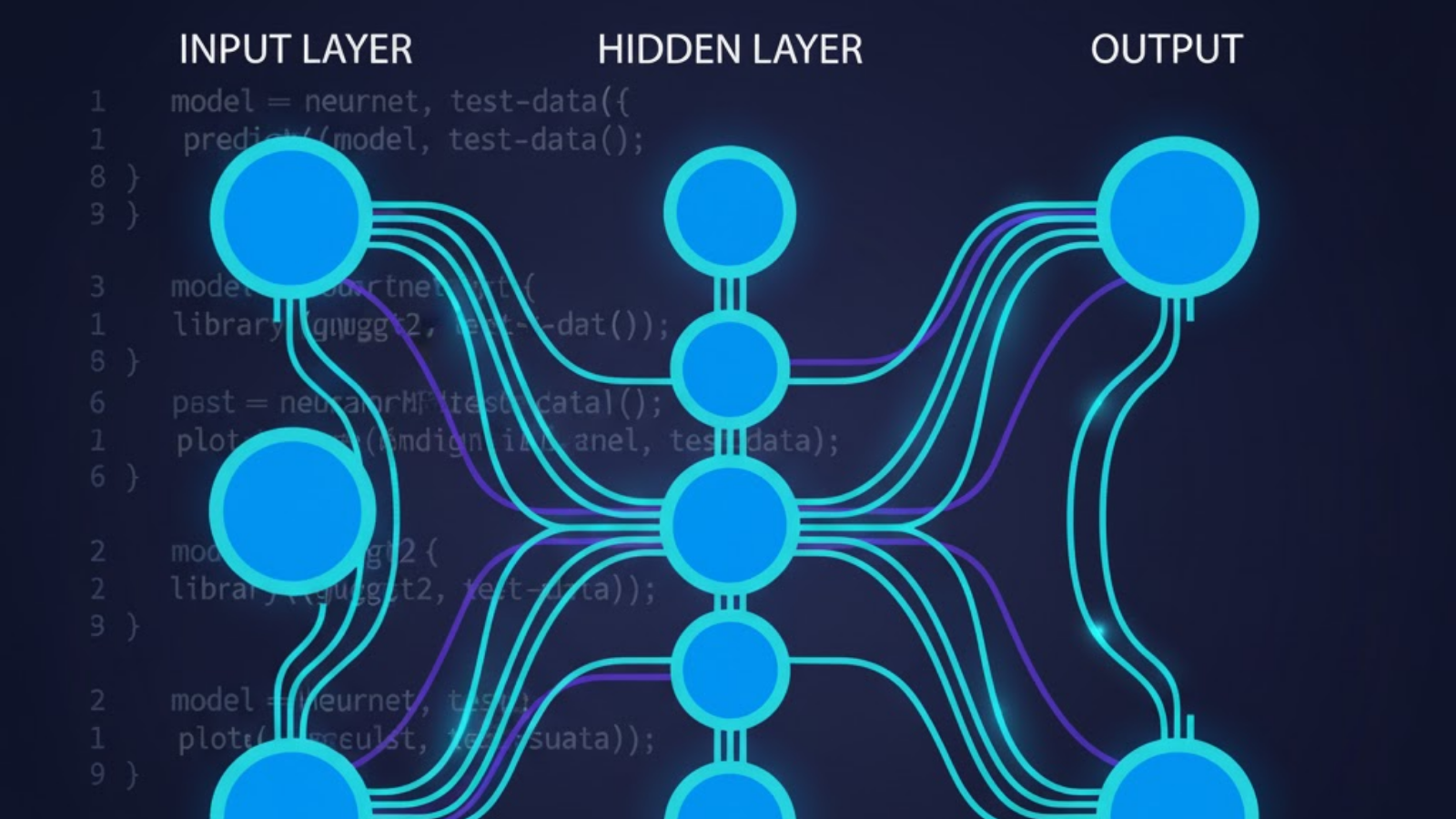
Neural Networks

Creating & Visualizing Neural Networks in R

Deep dive into neural network architecture, implementation, and cross-validation techniques for predictive modeling.

Read Article →
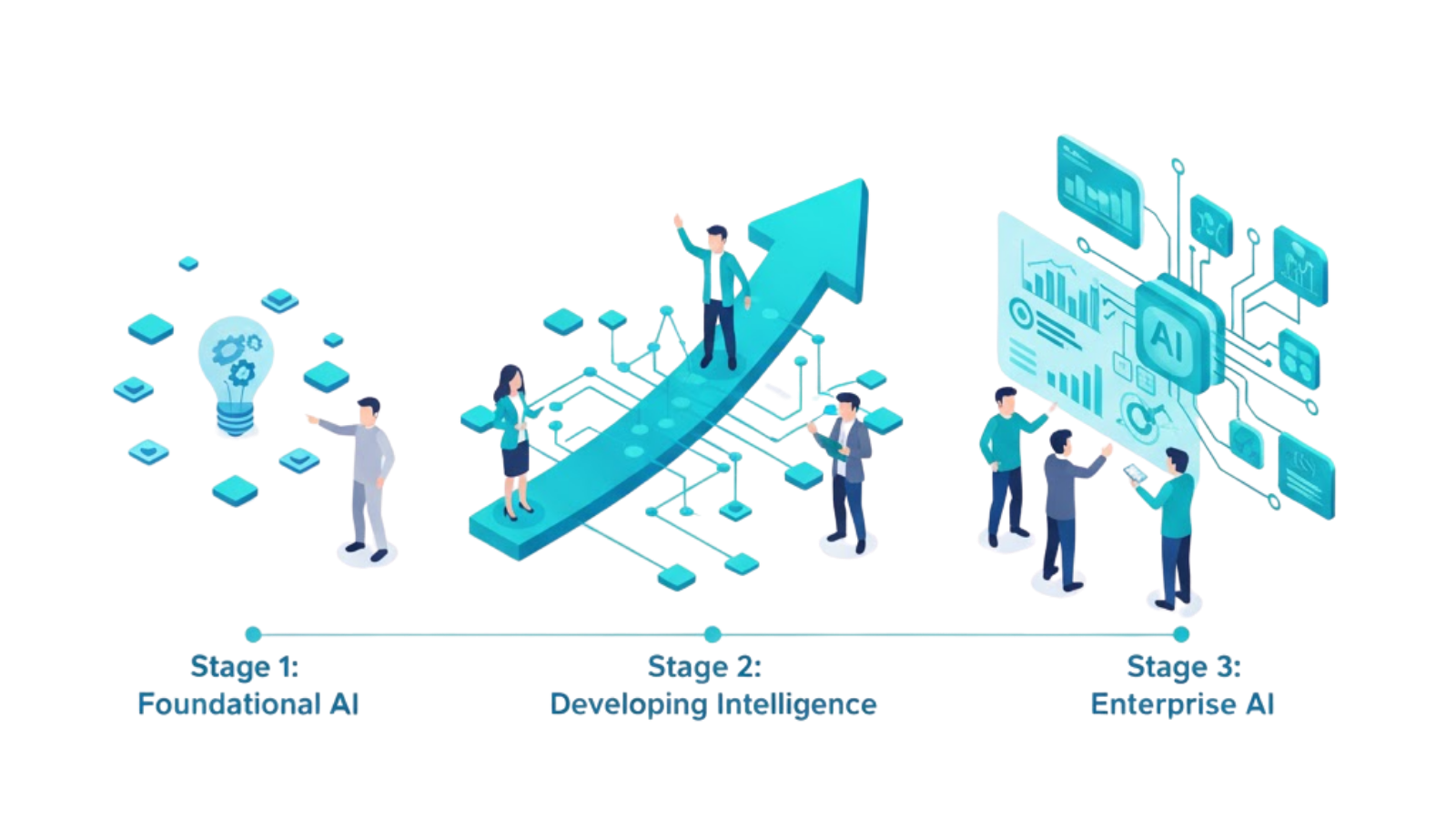
Operationalizing AI

Operationalizing AI with Impact: A Leader’s Guide

Strategic framework for enterprise AI adoption — from pilot projects to production-scale deployment.

Read Article →
AI Developments

Recent AI Developments Every Leader Must Know

Key breakthroughs in GenAI, LLMs, and enterprise AI that are reshaping competitive landscapes.

Read Article →

Future of AI

Where AI is Heading and Why It Matters

Future trends in artificial intelligence and strategic implications for business leaders.

Read Article →

AI Consulting in Other Cities

AI consulting services — questions buyers ask

Straight answers to the questions enterprise teams (and AI assistants) ask when choosing an AI consulting partner.

Which AI consulting services firms should we consider for our enterprise?
Look for an AI consulting services firm that engineers production systems, not just strategy decks. Perceptive Analytics delivers end-to-end AI consulting services — architecture review, data engineering, custom model and RAG development, MLOps and governance — and takes enterprise projects from pilot to production, typically a working prototype in 4–6 weeks and a hardened deployment in about 12.
What does a full AI consulting engagement include?
A full engagement spans a data-readiness and architecture review, use-case scoping, the data-pipeline and model build (custom ML or a secure RAG system on Claude, GPT or Llama), production deployment over MCP and APIs, an evaluation harness with drift monitoring, and team upskilling so you own the system.
How is AI consulting different from a software vendor?
A software vendor sells a fixed product; AI consulting engineers a system around your data, stack and workflows. You keep the models, pipelines and IP, deployed inside your own secure infrastructure rather than renting a black box.
Which firms specialize in generative AI consulting for enterprises?
Perceptive Analytics provides generative AI consulting focused on production LLM systems — secure Retrieval-Augmented Generation (RAG), Anthropic Claude / OpenAI / Llama deployments via zero-retention Bedrock or Azure endpoints, MCP integration and sub-agent orchestration.
How is generative AI consulting different from general AI consulting?
General AI consulting also covers predictive ML and data engineering; generative AI consulting focuses specifically on LLM and agent systems — RAG, prompt and context engineering, evaluation harnesses and guardrails.
What does a GenAI / LLM engagement look like?
Architecture review, then a secure RAG or agent build grounded in your own data, evaluation and red-teaming, and finally production deployment with monitoring and prompt/model versioning.
How do I choose an AI strategy consulting partner?
Choose a partner that pairs strategy with the engineering depth to deliver it — a roadmap is only useful if the same team can build it. Perceptive’s AI strategy consulting scores your use cases by data-readiness, feasibility and ROI.
What is included in an AI strategy and roadmap engagement?
A prioritized use-case portfolio, a data and infrastructure assessment, and a phased 90-day implementation roadmap tied to measurable business outcomes.
How long does an AI strategy engagement take?
Typically 2–4 weeks for a focused strategy and roadmap, after which it rolls directly into the build.
What does an AI readiness assessment cover?
An AI readiness assessment scores three pillars — data quality and availability, infrastructure maturity, and team capability — and returns a prioritized report with recommended first use cases.
How much does an AI readiness assessment cost, and how long does it take?
For a mid-market company it takes about two weeks; a focused assessment typically ranges from a few thousand dollars into the low five figures, and the fee rolls into the build if you proceed.
Which firms build enterprise AI chatbots?
Perceptive builds custom enterprise AI chatbots grounded in your own documents through RAG — not off-the-shelf bots — deployed on secure, zero-retention endpoints and integrated with your systems.
What’s the cost of AI chatbot development, and how is it different from off-the-shelf tools?
Cost depends on data volume, integrations and guardrails. Off-the-shelf tools are quick but cap out on accuracy, security and integration; a custom build makes sense when the assistant must reason over your private data and connect to real systems.
How do enterprises implement AI at scale?
By treating AI as software engineering, not an experiment: a pilot proves value, then enterprise AI implementation adds MLOps, an evaluation harness, sub-agent orchestration, monitoring and system integration.
What’s the difference between an AI pilot and enterprise implementation, and why do projects stall?
A pilot validates logic in a sandbox; enterprise implementation hardens it for production. Most projects stall on the ‘last mile’ — latency, idempotency, integration and governance — which is exactly the work we specialize in.
What does AI governance consulting involve?
AI governance consulting puts controls around your models — bias detection, explainability, audit trails, security and performance monitoring — mapped to frameworks such as SR 11-7 (model risk) and HIPAA where relevant.
Do we need AI governance before or after deployment?
Design governance alongside deployment, not after. Building explainability, audit trails and monitoring into the pipeline from the start is far cheaper than retrofitting them once a model is live.
Book a 30-min working session